
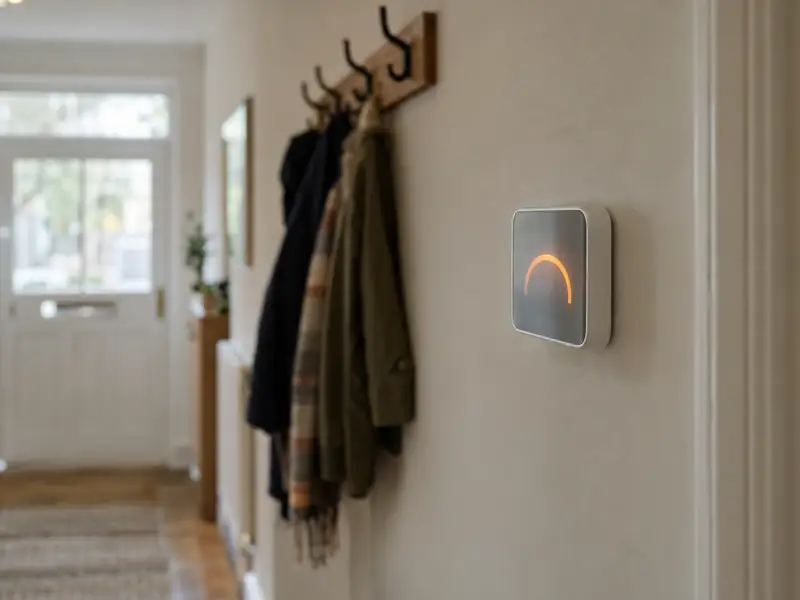
A hybrid heat pump is an air-to-water heat pump installed alongside an existing gas, LPG or oil boiler, with a controller that decides which one supplies heat at any moment. Typically the heat pump covers mild and moderate weather, and the boiler takes over or helps on the coldest days, or whenever it is cheaper to run on the prices entered into the controller.
Installers covering County Armagh set up the hybrid controller so you can see and adjust when each heat source runs. For County Armagh homes with a boiler that is still fairly new, a hybrid lets a heat pump take on much of the heating now. A survey in County Armagh can set a hybrid against a full heat pump for owners anywhere in County Armagh.
Who it suits
- Owners who want a stepping stone towards a full heat pump later
- Large or hard-to-insulate homes where a full heat pump is difficult for now
- Homes with a fairly new boiler the owner wants to keep using
- Combi homes with no room for a cylinder
Grants and rules for heat pumps in Northern Ireland
The Boiler Upgrade Scheme covers England and Wales only, and there is currently no dedicated heat pump grant for homeowners in Northern Ireland. Our quote for a home in County Armagh is therefore shown without a grant deduction; if support becomes available we will tell you how it applies.
Installing heat pumps has been zero-rated for VAT in Northern Ireland since 1 May 2023, in line with the rest of the UK, until 31 March 2027. Northern Ireland has its own permitted development rules and building regulations, and we confirm what applies to your property at survey.
Hybrid heat pumps prices in County Armagh
The ranges below are typical installed prices for homes in County Armagh, including VAT. A survey sets the exact figure, because two similar-looking houses in County Armagh can need quite different radiators and pipework.
| System | Installed guide price |
|---|---|
| Hybrid heat pump alongside an existing boiler | £6,800–£10,650 |
Installed, inc VAT.
Towns we cover in County Armagh
We cover 6 towns in County Armagh for hybrid heat pumps. Each links to local guide prices and the grant position for Northern Ireland.
| Town | Postcode district | Nearest town | Midwinter daylight |
|---|---|---|---|
| Craigavon | BT64 | Lurgan | 7 h 17 min |
| Portadown | BT62 | Craigavon | 7 h 17 min |
| Armagh | BT61 | Keady | 7 h 18 min |
| Keady | BT60 | Armagh | 7 h 19 min |
| Lurgan | BT66 | Craigavon | 7 h 17 min |
| Tandragee | BT63 | Portadown | 7 h 18 min |
Hybrid heat pumps questions
Can I get the Boiler Upgrade Scheme grant for a hybrid heat pump?
No. In England and Wales hybrid systems are not eligible for the Boiler Upgrade Scheme, because the scheme requires the heat pump to meet the home's full heating and hot water needs on its own. If a grant matters to your budget, a full air-to-water heat pump is the option that can qualify. In Scotland and Northern Ireland we check at survey what, if any, funding applies.
Can a hybrid work with my combi boiler?
Yes, some hybrids are designed to work with a combi, with the heat pump heating the radiators and the combi continuing to provide hot water on demand. That avoids finding space for a cylinder, which is one of the main reasons people choose a hybrid. Other hybrid designs use a cylinder heated by the heat pump, with the boiler as backup.
Will a hybrid heat pump lower my bills?
It can reduce how much gas, LPG or oil you burn, but the effect depends on how the controller is set, your insulation, your tariff and fuel prices. You keep a boiler to service and, on mains gas, the standing charge. We do not promise a figure; instead the survey gives an estimate for your home comparing a hybrid with a full heat pump.
Does a hybrid switch between heat sources automatically?
Yes. The hybrid controller follows rules set at commissioning: it might switch to the boiler below a chosen outdoor temperature, compare running costs using the prices you enter, or prioritise lower carbon. Some systems run both together in very cold weather. The installer sets these for your home and shows you how to adjust them when tariffs change.